
by Chris Tachibana | Dec 2, 2019 | ScienceWire
Robin Lindley has two amazing tales in one piece for History News Network. He interviews Professor Kate Brown about putting herself through school as a beat reporter for Seattle public radio and television. Robin (@robinlindley2) also gets the story on how Dr. Brown...

by Chris Tachibana | Dec 2, 2019 | ScienceWire
“Does watching porn as a teen ruin sex forever?” It doesn’t have to, Bonnie Rochman writes in her first piece for Elemental (@elemental), a new Medium publication on health and wellness. Bonnie (@brochman) interviews experts in porn literacy about how to talk to teens...
by Chris Tachibana | Nov 1, 2019 | ScienceWire, Uncategorized
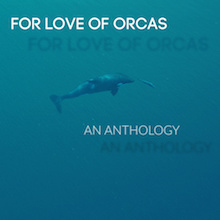
For Love of Orcas, a new anthology, features work by three NSWA members: Adrienne Ross Scanlan, Priscilla Long, and Sarah DeWeerdt. The collection of environmental writing, poetry, and prose focuses on Puget Sound’s Southern Resident orcas. Proceeds from sales go to...
by Chris Tachibana | Nov 1, 2019 | ScienceWire
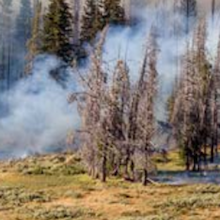
Andrea Watts, our correspondent in the U.S. Forest Service, now writes for the Rocky Mountain Research Station (@usfs_rmrs)—for example on how to predict how many trees died in a forest fire. She still writes for the Pacific Northwest Research Station (@usfs_pnwrs),...
by Chris Tachibana | Nov 1, 2019 | ScienceWire
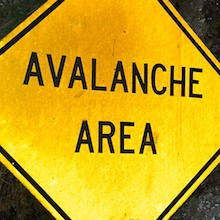
What links tree rings and avalanches? Molly Tankersley explains, for Scientific American (@sciam). In Alaska, researchers are studying the rings to learn about the snowslides to protect Juneau, which has the country’s highest urban avalanche potential. Molly is a...
by Chris Tachibana | Nov 1, 2019 | ScienceWire
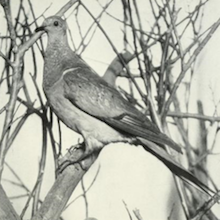
High-tech methods make de-extinction possible, Ashley Braun writes. But how exactly does that work? And does it work out for the animals that are a genetic likeness of the extinct species? In Longreads (@Longreads), Ashley dives into the complex biological and...
