by Chris Tachibana | Jun 1, 2019 | ScienceWire
Eugenics, frontal lobotomies, and a link (inaccurate) between Huntington disease and the Salem witch trials. It’s all in Robin Lindley’s conversation with Dr. Tom Bird, a medical pioneer and University of Washington researcher. For History News Network,...
by Chris Tachibana | Jun 1, 2019 | ScienceWire
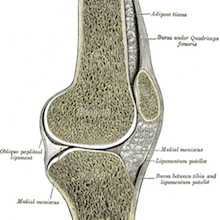
Vitamin D is essential. Or at least that’s what we all thought. Wudan Yan, for the New York Times, writes about the mystifying case of a patient with no detectable circulating vitamin D in her blood. The woman had bone disease, but experts thought that with her...
by Chris Tachibana | May 3, 2019 | ScienceWire
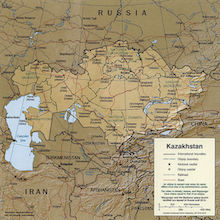
Take a journey with NSWA Board Member Wudan Yan to Semipalatinsk, Kazakhstan. In a news feature for Nature, Wudan describes how radiation exposure from Soviet-era nuclear tests still affects the local population. She documents the effects on multiple generations of...

by Chris Tachibana | May 3, 2019 | ScienceWire
For The Oregonian, NSWA Board Member Carol Cruzan Morton describes suicide patterns in the Northwest: They’re persistently high and rising. Carol talks to experts about the many factors thought to affect suicide rates, from the western culture to the seasons....
by Chris Tachibana | May 3, 2019 | ScienceWire
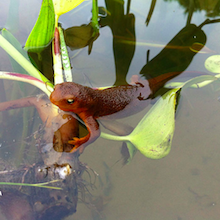
Bsal is what salamander-savvy biologists call Batrachochytrium salamandrivorans. Andrea Watts (@WattsInTheWoods) writes about the fungus that is threatening amphibians worldwide. In Science Findings from the U.S. Forest Service Pacific Northwest Research Station,...
by Chris Tachibana | May 3, 2019 | ScienceWire
For Slate, NSWA President Jane C. Hu reports on how the hue of the Evergreen State got a little deeper. The very green state of Washington just passed a bill to allow human composting, a more sustainable and less energy-consuming option for body disposal than...
