by Chris Tachibana | Aug 1, 2018 | ScienceWire
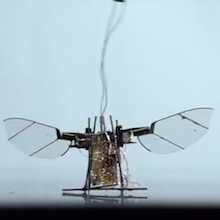
You wouldn’t mistake it for a bluebottle or Drosophila, Sarah McQuate says, but robofly flaps like the real thing. In UW News, Sarah writes about a wireless, housefly-sized, laser-beam-powered robotic insect created by University of Washington engineers. Read the...
by Chris Tachibana | Aug 1, 2018 | ScienceWire
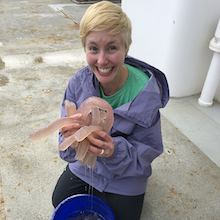
They’re pyrosomes, aka sea pickles, writes Jim Barlow for Around the O, the University of Oregon’s news hub. These colonies of small organisms—which can be more than 2 feet long—might not seem so exotic to Oregonians in the future. To find out why, read Jim’s story...
by Chris Tachibana | Aug 1, 2018 | ScienceWire, Uncategorized
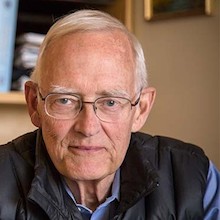
Sixteen years after donating bone marrow to a child with cancer, Susan Keown writes a richly detailed profile of a scientist whose work made transplants possible. Susan is a science writer and editor for Fred Hutchinson Cancer Research Center and profiles John Hansen,...
by Chris Tachibana | Aug 1, 2018 | ScienceWire
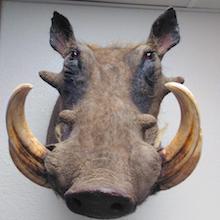
Writing in The Atlantic and Undark, James Gaines tracks the fate of contraband taxidermied animals. Some have an educational function at Seattle’s Woodland Park Zoo. Others are used in basic research. A few end up in court—on the side of law enforcement, of course....
by Chris Tachibana | Jul 2, 2018 | ScienceWire
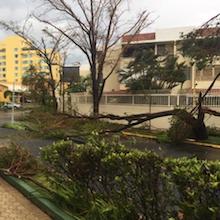
Coming up on a year after Hurricane Maria, James Urton writes about University of Washington researchers working to restore electricity to Puerto Rican residents. For UW News, James describes how engineers and public health experts are bringing solar/battery nanogrids...
by Chris Tachibana | Jul 2, 2018 | ScienceWire
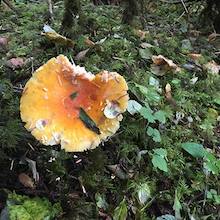
A summer update from Andrea Watts about the aftermath of forest wildfires: The trees are obviously scorched but what happens to the soil? For the United States Department of Agriculture Pacific Northwest Research Station Science Findings, Andrea writes about changes...
