
by Chris Tachibana | Jun 4, 2018 | ScienceWire
In a feature for Nature, Roberta Kwok asks scientists who have worked abroad about culture shock—Not from discovering a contaminated flask of media, but from moving to a place with new norms, customs, and social expectations. Roberta (@robertakwok) gets advice about...

by Chris Tachibana | Jun 4, 2018 | ScienceWire
You’re not imagining the impact of politics on your family gatherings, Sandi Doughton writes. Researchers from Washington State University showed—in part by using smartphone location data—that political divisions may have truncated 2016 Thanksgiving visits....

by Chris Tachibana | May 3, 2018 | ScienceWire
If you think Seattle is getting stormier, you’re right. Stephen R. Miller, writing in CityLab, reports on research results and climate model predictions that show that rains are heavier in our region than in decades past. Read Stephen’s article and be...
by Chris Tachibana | May 3, 2018 | ScienceWire
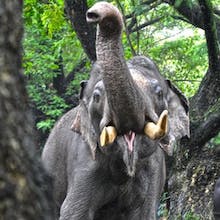
Reporting for HuffPost, Wudan Yan describes Rohingya refugees escaping violence in Myanmar only to encounter a new threat—from elephants. Camps in Bangladesh near the Myanmar border seem to be right where elephants want to wander as they look for food and water....
by Chris Tachibana | May 3, 2018 | ScienceWire
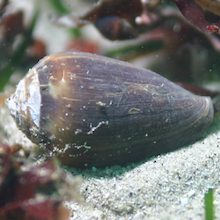
Underlying the U.S. opioid-addiction crisis is widespread chronic pain, writes Catherine Arnold—and we have few treatment options. In a piece that won a 2018 gold Hermes Creative Award, Catherine tells of a University of Utah Health research team that has a $10...

by Chris Tachibana | May 3, 2018 | ScienceWire
In her first feature for Nature, Lynne examines a potentially neglected factor in personalized medicine. Could synchronizing therapy with a patient’s circadian clock improve effectiveness? Lynne (@lynnepeeps) talks to researchers who are studying if and how...
