
by Susan Keown | Apr 5, 2021 | ScienceWire
Writing for New York Magazine, Wudan Yan (@wudanyan) tells us the stories of five different people across the country, such as Andrea Ceresa, left, whose lives were all indelibly changed by COVID-19. Facing debilitating long-haul symptoms, job loss, financial...
by Susan Keown | Apr 5, 2021 | ScienceWire
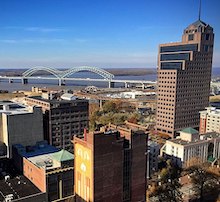
Ashli Blow (@ashliblow) writes for Climate Conscious at Medium about the grassroots efforts to stop the installation of a crude oil pipeline through the neighborhood of Boxtown in Memphis. The proposed route for the Byhalia Pipeline runs through an earthquake-prone...
by Susan Keown | Apr 5, 2021 | ScienceWire
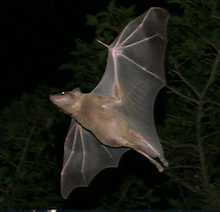
Longevity researchers are fascinated by bats, writes Rachel Tompa (@rachel_tompa), since these animals defy the typical correlation between an animal species’ body size and its life span. Tompa writes for the Allen Institute about a new molecular clock method that can...

by Susan Keown | Mar 4, 2021 | ScienceWire
In her new book, “Beloved Beasts,” Michelle Nijhuis (@nijhuism) charts the history of the modern conservation movement through the lives and ideas of the people driving it. She gives us an in-depth look at how conservationists have taken on the challenge of saving...
by Susan Keown | Mar 4, 2021 | ScienceWire
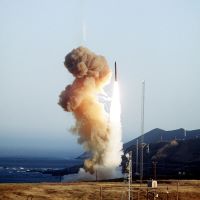
Why, asks Elisabeth Eaves, is the U.S. spending $100 billion on a new nuclear weapon? Eaves (@elisabetheaves) explores the complex answers to this question in a feature for the Bulletin of the Atomic Scientists, taking us down to missile silos, into the communities...
by Susan Keown | Mar 4, 2021 | ScienceWire
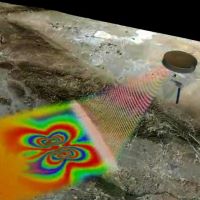
In Science, Julia Rosen (@1JuliaRosen) shows us how a technique called interferometric synthetic aperture radar, or InSAR, can use satellite data to detect movements of just a few millimeters across a wide swath of the earth’s crust. Rosen takes us on a tour of this...
